Keeping Warm in Winter
Winter can be a beautiful season, but colder temperatures bring increased health risks—especially for older adults or anyone living with long-term conditions. Cold homes can place additional strain on the heart, lungs and immune system, raising the risk of flu, chest infections, asthma flare-ups, arthritis pain and even more serious complications.
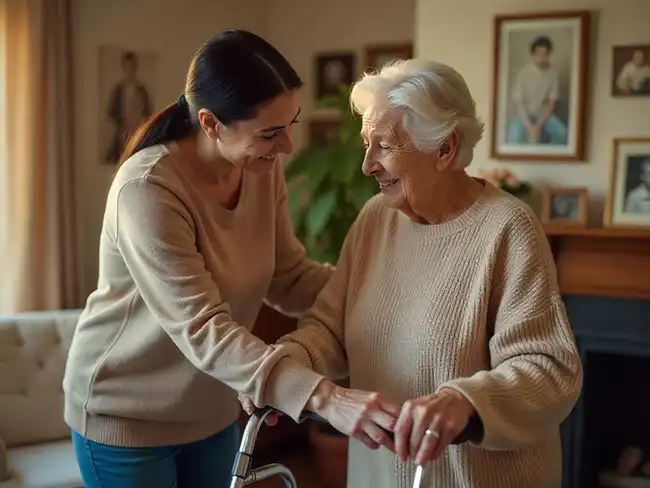
We believe every older adult should have the opportunity to enjoy safe, independent living. Through our compassionate home care services, we support families with free advice and guidance, helping them understand how proactive home support can transform daily life.

Check Your Heating Systems
Your heating system is your first line of defence against the cold, so ensure it’s working efficiently.
-
Know how to use your thermostat, timer, and radiator valves.
-
Set the timer to warm rooms gradually—this is more effective and often cheaper than quick blasts of heat.
-
If you rely on electric heaters, keep them at a safe distance from furniture and ensure cables are not damaged.
-
Book an annual boiler service to reduce the risk of breakdowns during cold snaps.
Dress for Warmth
Layering is one of the simplest ways to stay warm.
-
Wear thin layers rather than one bulky item—they trap warm air better.
-
Thermal vests, socks and leggings make a big difference in cold homes.
-
Keep a blanket or shawl nearby for extra warmth when sitting still.
-
Wear good-grip slippers to prevent falls on cold floors.


Eat and Drink Well
Warm food and hydration help regulate body temperature.
-
Choose warming meals like soups, stews and porridge.
-
Drink hot drinks regularly to boost warmth.
-
Avoid skipping meals—food is your body’s fuel for generating heat.
-
Keep snacks nearby if it’s difficult to move around the home.
Plan Ahead for Cold Weather
Preparation helps reduce the risk of emergencies.
-
Keep a winter essentials kit (torch, batteries, blankets, medication, hot water bottle).
-
Have your prescriptions filled ahead of bad weather.
-
Store some shelf-stable foods in case you cannot get out.
-
Check weather warnings regularly.
-
Have emergency contacts written down as well as saved in your phone.

View Our
Information Categories


Require some assistance?
Our team of compassionate care specialists is ready to support you. Don’t hesitate to request a callback today for expert advice and guidance.